- New
- Oral Progesterone ~ Before You Decide...
- Estrogen & Progesterone Influence Breasts, Ovaries
- Progesterone & The P53 Gene
- Progesterone & Pregnancy
- Listen to the Experts...
- Progesterone – How Much is Safe & Effective?
- Osteoporosis
- Hormone Therapy (HRT) for Menopause
- Hair Loss: 21 Ways to Keep Your Hair
- Progesterone Cream Side Effects – The Underlying Cause & What to Do About It…
- Optimal Support for Progesterone Cream – 7 Pillars of Health
- Tested & Approved Products
- Research
- What is Perimenopause?
- Spike Protein Detoxification
- Progesterone - Men Health
- Answers...
- Relief
- FAQ
- Products
- Life Support
🌱 What Influence Does Xylitol Have on Gut Bacteria?
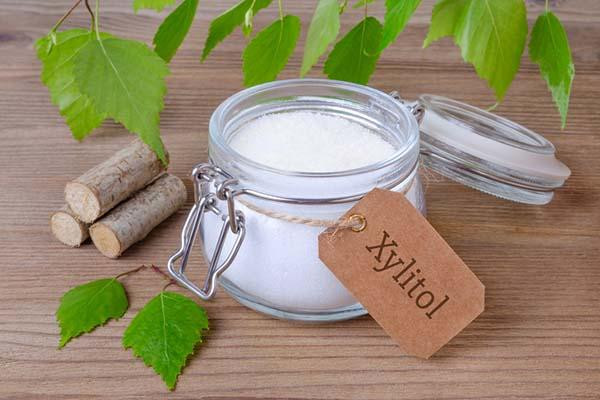
🌱 What Influence Does Xylitol Have on Gut Bacteria?
Xylitol is a natural sugar alcohol used as a sweetener in gums, toothpaste, and low-glycemic foods. Its unique structure means it’s poorly absorbed in the small intestine, allowing it to reach the colon where it can directly impact gut bacteria.


Benefits of Xylitol (in moderation):
1. Supports Oral and Upper GI Microbiome Health
- Xylitol inhibits the growth of Streptococcus mutans, the bacteria most associated with cavities.
- The FDA allows manufacturers to make the label claim that xylitol helps reduce the risk of dental caries, a rare endorsement for a sweetener.
- This antibacterial effect may also extend into the upper digestive tract.
2. Selective Prebiotic Effect
- Certain beneficial gut bacteria, including Bifidobacteria and Lactobacillus, can ferment xylitol to produce short-chain fatty acids (SCFAs) like butyrate.
- SCFAs reduce inflammation, strengthen the gut lining, and support immune function.
3. Does Not Raise Blood Sugar
- Xylitol has a glycemic index of 7 (compared to 65 for table sugar), and clinical studies show it does not spike insulin or blood glucose levels.
- This makes it an excellent sweetener for diabetics and anyone managing metabolic syndrome.
⚠️ Potential Concerns (with excess use):
1. Laxative Effect
- Xylitol is osmotic, meaning it pulls water into the colon. In large doses (10–20g), this can cause bloating, gas, or diarrhea, especially for those new to it.
- People with IBS, SIBO, or gut dysbiosis may be more sensitive.
2. Fermentation by Gas-Producing Microbes
- Some gut bacteria ferment xylitol into hydrogen or methane gas, which can cause discomfort in certain individuals, particularly those with imbalanced microbiomes.
🧠 Summary:
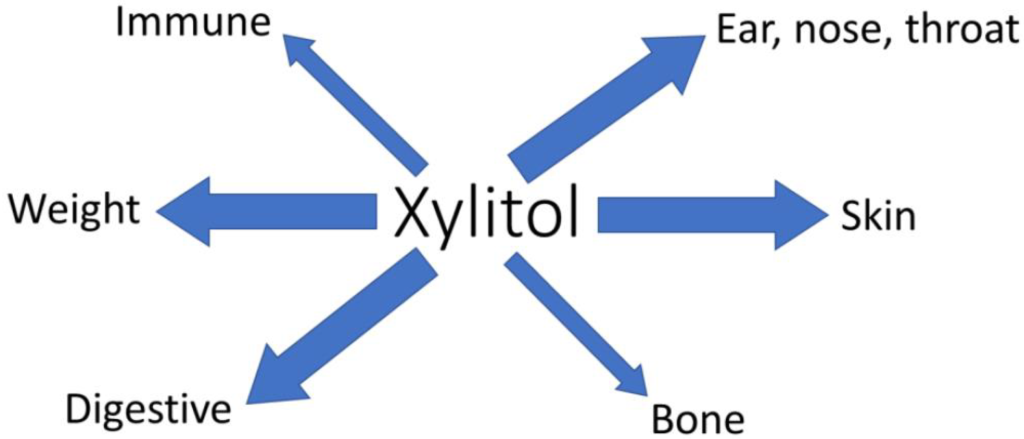
- In small, consistent doses, xylitol can support beneficial gut bacteria, reduce inflammation, prevent tooth decay, and maintain stable blood sugar.
- In excess, it may cause digestive upset in sensitive people.