Progesterone

How Does Progesterone Support Fertility and Conception?

Implantation, Full-Term Pregnancy & Healthy Pregnancy Support

Implantation, Full-Term
Pregnancy & Healthy Pregnancy Support

31 Years Helping Women Understand Progesterone & Hormone Balance
Trying to conceive can be hopeful and stressful at the same time. Progesterone has an essential job after ovulation: helping prepare the uterus for implantation and supporting the earliest stages of pregnancy. Understanding that role can help you ask more useful questions about your cycle and fertility.

Why Is Progesterone Important After Ovulation?

Following ovulation, the corpus luteum produces progesterone. This hormone changes the estrogen-primed uterine lining into a secretory environment that can support implantation. If pregnancy begins, progesterone remains vital while the placenta develops its hormone-producing capacity.

Can Low Progesterone Make It Harder to Conceive?

Inadequate ovulation or luteal function can affect the hormonal environment needed for conception. However, a single low progesterone test does not necessarily diagnose a fertility problem. Timing matters, because progesterone naturally changes across the cycle and throughout the day.

When Should Progesterone Be Tested?

Progesterone is usually interpreted relative to ovulation, often around the middle of the luteal phase rather than automatically on ‘day 21.’ A clinician may use cycle history, ovulation tracking, and other tests to interpret the result. A normal or low value is only one piece of the fertility picture.

Does Progesterone Treatment Improve Fertility?

Progesterone support is commonly used in specific assisted-reproduction protocols. Evidence for routine supplementation in natural cycles is less certain and depends on the clinical situation. Studies using vaginal or injectable progesterone do not establish the effectiveness of an over-the-counter topical cream for improving conception or live-birth rates.

What Is the Difference Between Bioidentical and Synthetic Progesterone Products?

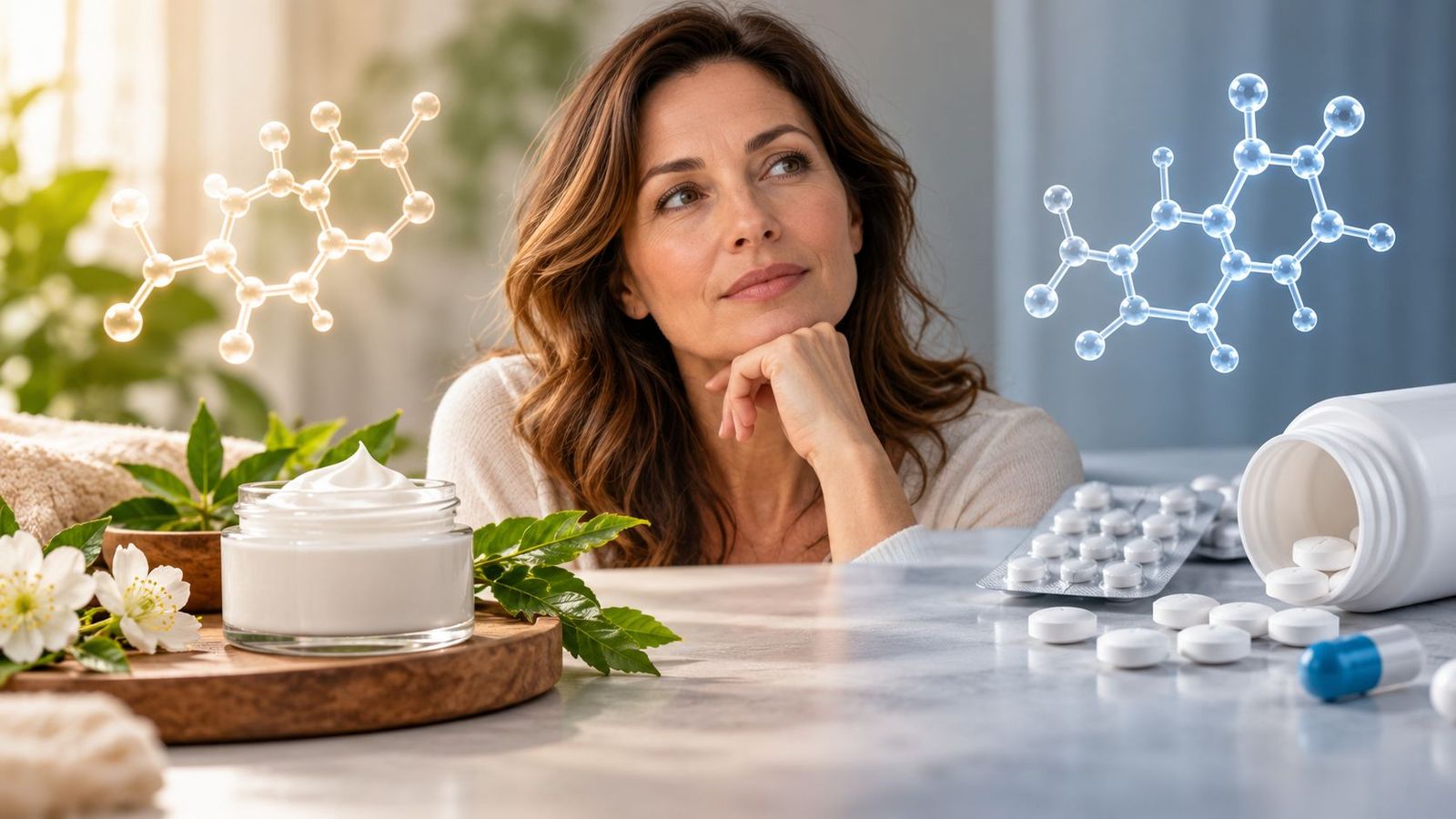
Bioidentical progesterone has the same molecular structure as the progesterone your body makes. Synthetic progestins are different compounds. Dose, route, and formulation affect how products behave, so the exact preparation matters.

Why Learn About Topical Progesterone Cream?

A properly formulated topical cream offers nonoral delivery, avoids initial first-pass liver metabolism, and can disclose a measured progesterone amount per application. Absorption varies, and skin-applied cream should not be substituted for fertility treatment protocols without professional guidance.

What Should You Do if Pregnancy Is Taking Longer Than Expected?

A fertility evaluation can consider ovulation, sperm factors, tubal health, age, and other contributors. Many guidelines suggest evaluation after 12 months of trying when under 35, or after 6 months at age 35 or older, with earlier assessment when there are known concerns.


Ready to Explore Serenity Organics Progesterone Cream?

Now that you know why progesterone matters for implantation and early pregnancy, explore Serenity Organics’ bioidentical formulation, ingredients, and measured application details. For fertility treatment or pregnancy, make product decisions with your care team.