- New
- Oral Progesterone ~ Before You Decide...
- Estrogen & Progesterone Influence Breasts, Ovaries
- Progesterone & The P53 Gene
- Progesterone & Pregnancy
- Listen to the Experts...
- Progesterone How Much is Safe & Effective?
- Osteoporosis
- Hormone Therapy (HRT) for Menopause
- Hair Loss: 21 Ways to Keep Your Hair
- Progesterone Cream Side Effects & The Underlying Cause & What to Do About It
- Optimal Support for Progesterone Cream & 7 Pillars of Health
- Tested & Approved Products
- Research
- What is Perimenopause?
- Spike Protein Detoxification
- Progesterone - Men Health
- Answers...
- Relief
- FAQ
- Products
- Life Support
Progesterone and PCOS
The Missing Link in Hormonal Health
31 Years Helping Women Understand Progesterone & Hormone Balance

The Connection Between PCOS and Progesterone
The relationship between PCOS and progesterone is rooted in one essential biological process: ovulation.
Progesterone is not produced continuously throughout the month.
It is primarily produced after ovulation, during the second half of the menstrual cycle.
Here is how it normally works:
- A follicle develops in the ovary
- Ovulation releases an egg
- The remaining follicle transforms into the corpus luteum
- The corpus luteum produces progesterone
This post ovulation phase is where progesterone rises and helps support cycle balance, emotional stability, and metabolic regulation.

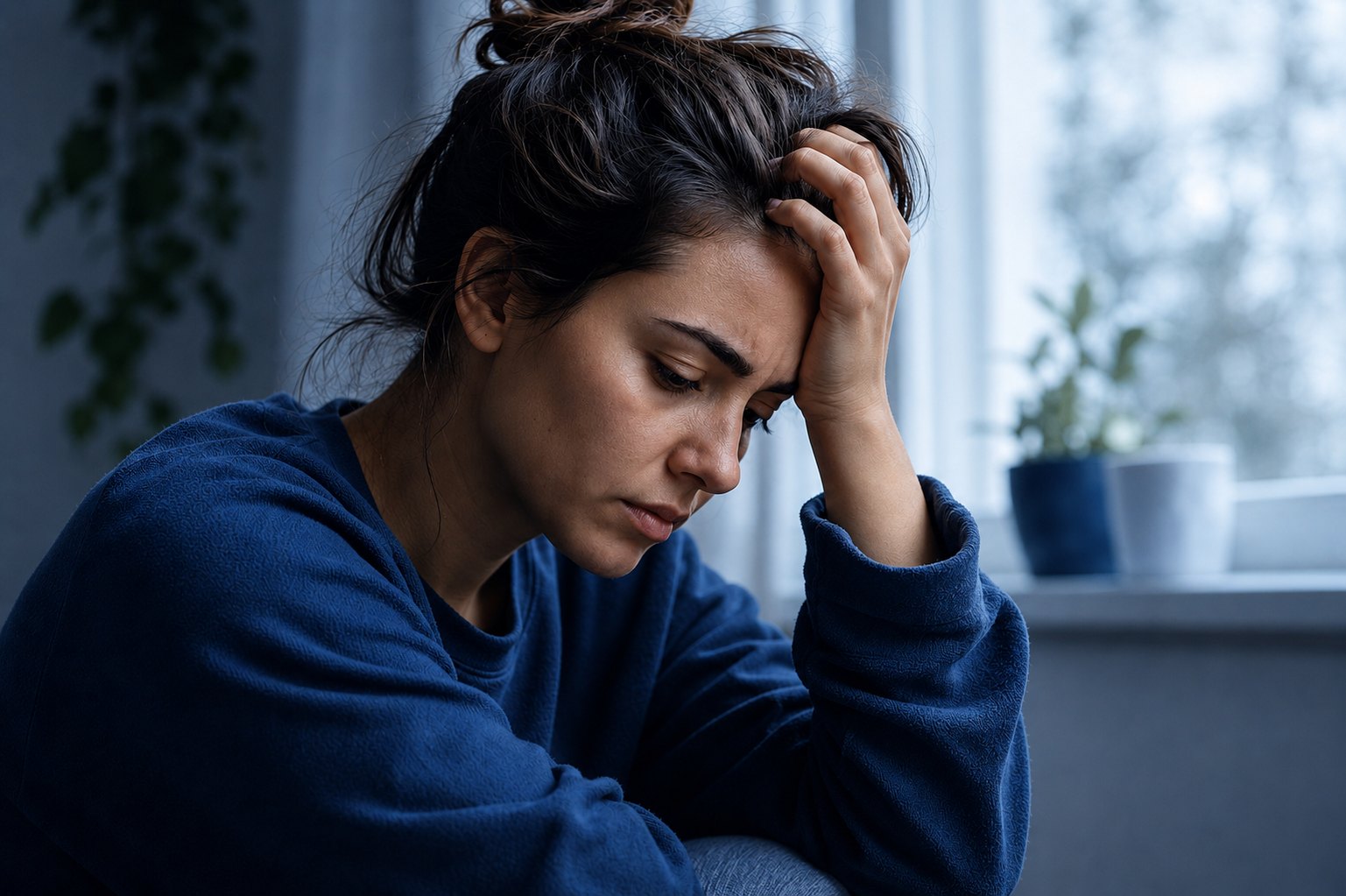
How PCOS Disrupts Progesterone Production
In many cases of PCOS, ovulation does not occur regularly.
This is known as anovulation.
When ovulation is irregular or absent:
- The corpus luteum does not form
- Progesterone production is reduced or inconsistent
- The balance between estrogen, progesterone, and androgens becomes disrupted
This can create a hormonal environment where progesterone is relatively low compared to estrogen activity.

Why Low Progesterone Matters in PCOS
Progesterone plays an important role in regulating multiple systems beyond reproduction.
It supports nervous system balance, sleep quality, and hormonal rhythm.
When progesterone is low or inconsistent, many women with PCOS report more noticeable symptoms.

Supporting Progesterone Rhythm in PCOS
Because progesterone is produced primarily after ovulation, women with PCOS often need to think about progesterone differently.
The question is not simply, “Do I have enough progesterone?”
The better question is:
“Am I ovulating consistently enough to produce progesterone in a healthy rhythm?”
When ovulation is delayed, weak, or absent, progesterone production may become inconsistent. That can leave the body without one of its most important stabilizing signals for cycle rhythm, sleep, mood, and nervous system balance.
This is why some women choose to support healthy progesterone levels with a clean topical progesterone cream as part of a broader hormone-balancing approach.
Serenity Organics Progesterone Cream was created for women who want body-identical progesterone in a topical form, without synthetic progestins, petroleum ingredients, or unnecessary chemical burden.
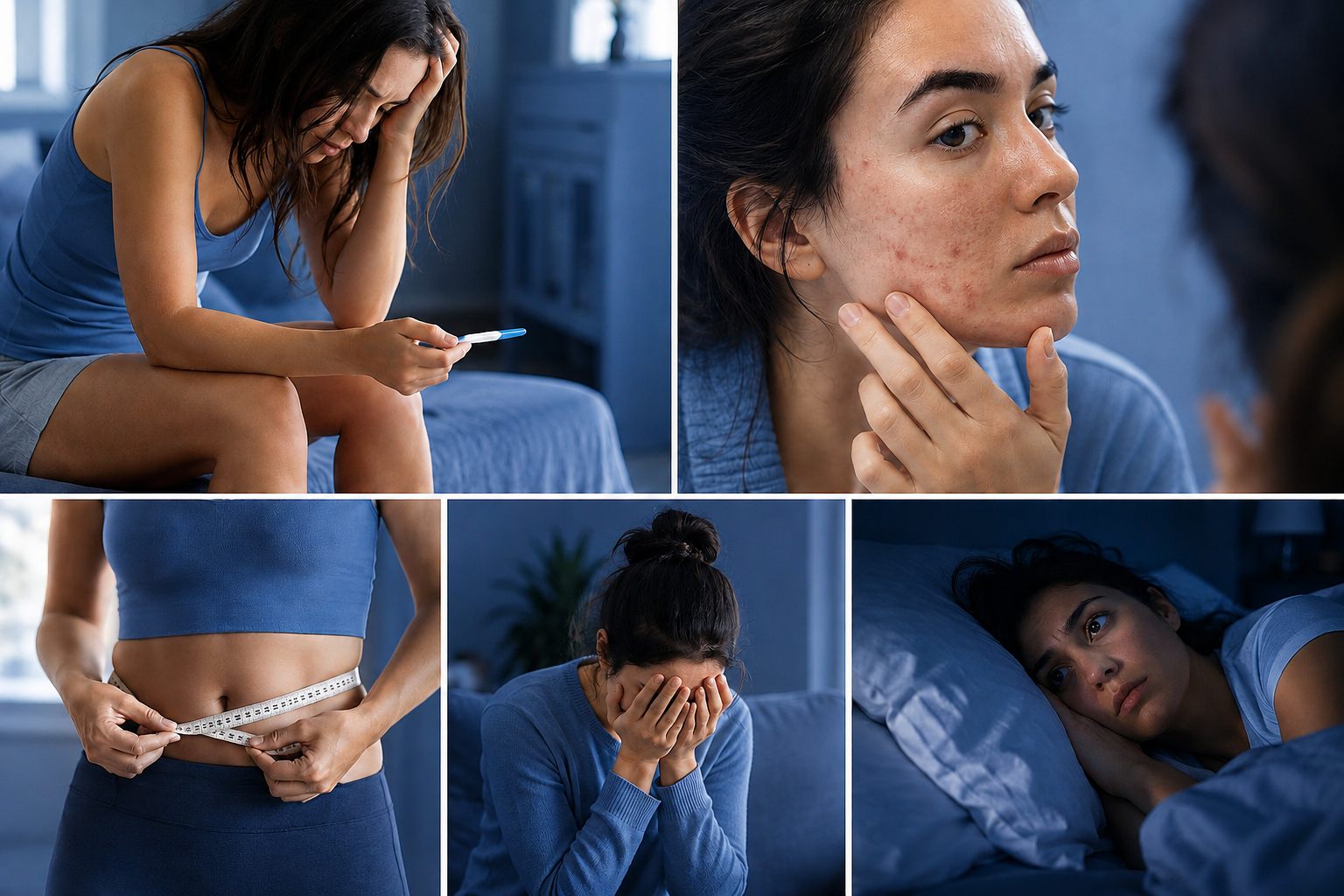
Common Symptoms of Low Progesterone in PCOS
Irregular or Absent Cycles
One of the most common signs of PCOS related hormonal disruption is cycle irregularity.
This may include:
- 1. Missed periods
- 2. Long cycles
- 3. Unpredictable bleeding patterns
- 4. Heavy or prolonged periods when they do occur
These patterns often reflect inconsistent ovulation and progesterone production.
Acne and Skin Changes
Hormonal imbalance in PCOS can influence oil production in the skin.
Many women experience:
- 1. Adult acne
- 2. Jawline or chin breakouts
- 3. Oily skin
- 4. Slow response to topical treatments
These symptoms are often influenced by the combined effects of androgens, insulin signaling, and progesterone imbalance.
Weight Changes and Metabolic Shifts
PCOS is frequently associated with changes in metabolic function.
When progesterone is low and insulin signaling is disrupted, some women notice:
- 1. Increased abdominal weight gain
- 2. Difficulty losing weight
- 3. Energy fluctuations
- 4. Increased cravings
These patterns are often multifactorial rather than caused by a single hormone.
Mood and Emotional Changes
Progesterone interacts with GABA related pathways involved in nervous system regulation.
When progesterone is low or inconsistent, some women report:
- 1. Increased anxiety
- 2. Irritability
- 3. Emotional sensitivity
- 4. Feeling overwhelmed more easily
These symptoms often fluctuate with cycle irregularity.
Sleep Disruption
Sleep quality can also be affected when progesterone production is reduced.
Some women with PCOS report:
- 1. Difficulty falling asleep
- 2. Frequent waking during the night
- 3. Light or non restorative sleep

PCOS, Estrogen, and Hormonal Balance
A common misconception is that PCOS is only about high androgen levels.
In reality, it is a multi hormone condition involving:
- 1. Androgens
- 2. Insulin signaling
- 3. Estrogen activity
- 4. Progesterone variability
When ovulation is inconsistent, progesterone may not rise as expected, which can shift the overall balance between these hormones.
This does not always mean estrogen is excessively high, but rather that progesterone is not present in sufficient rhythmic cycles to provide balance.

Why Ovulation Is the Key Factor
Ovulation is more than a reproductive event.
It is a hormonal reset point in the monthly cycle.
When ovulation occurs regularly:
- 1. Progesterone is produced consistently
- 2. Hormonal rhythms are more predictable
- 3. Mood and sleep tend to stabilize more easily
When ovulation is disrupted:
- 1. Progesterone becomes irregular
- 2. Cycle patterns become less predictable
- 3. Symptoms often become more noticeable over time
This is why supporting ovulatory function is often a central focus in understanding PCOS.

Beyond Fertility: Why Progesterone Balance Matters
PCOS is often discussed primarily in the context of fertility.
While ovulation is essential for conception, it is also essential for overall hormonal balance.
Progesterone influences:
- 1. Stress resilience
- 2. Sleep regulation
- 3. Mood stability
- 4. Metabolic signaling
- 5. Cycle predictability
For this reason, understanding progesterone is not only relevant for fertility, but for long term hormonal health.

Supporting Hormonal Awareness in PCOS
Every woman’s experience with PCOS is unique.
Helpful areas to explore include:
- 1. Cycle tracking and ovulation awareness
- 2. Blood sugar and insulin regulation
- 3. Stress load and recovery capacity
- 4. Sleep quality and nervous system health
- 5. Nutritional and lifestyle patterns
Some women may also benefit from working with a qualified healthcare professional to evaluate hormone levels and explore individualized options.

Not Sure Which Hormone Pattern Fits You?
PCOS symptoms can overlap with low progesterone, estrogen dominance, insulin resistance, adrenal stress, and perimenopause.
That is why guessing can become frustrating.
The Progesterone.com Women’s Hormone Clarity Assessment helps you identify whether your symptoms appear more connected to ovulation disruption, low progesterone, insulin imbalance, stress chemistry, or a combination of patterns.

Frequently Asked Questions
Does PCOS cause low progesterone?
PCOS can be associated with low or inconsistent progesterone levels, particularly when ovulation does not occur regularly.
Why do I have low progesterone with PCOS?
Progesterone is produced after ovulation. If ovulation is irregular or absent, progesterone production may be reduced.
Can low progesterone affect PCOS symptoms?
Low or inconsistent progesterone may contribute to irregular cycles, mood changes, sleep disturbances, and other symptoms commonly associated with PCOS.
Is progesterone important in PCOS?
Progesterone plays a key role in cycle regulation and hormonal balance. Understanding its role can help clarify some of the symptoms experienced in PCOS.