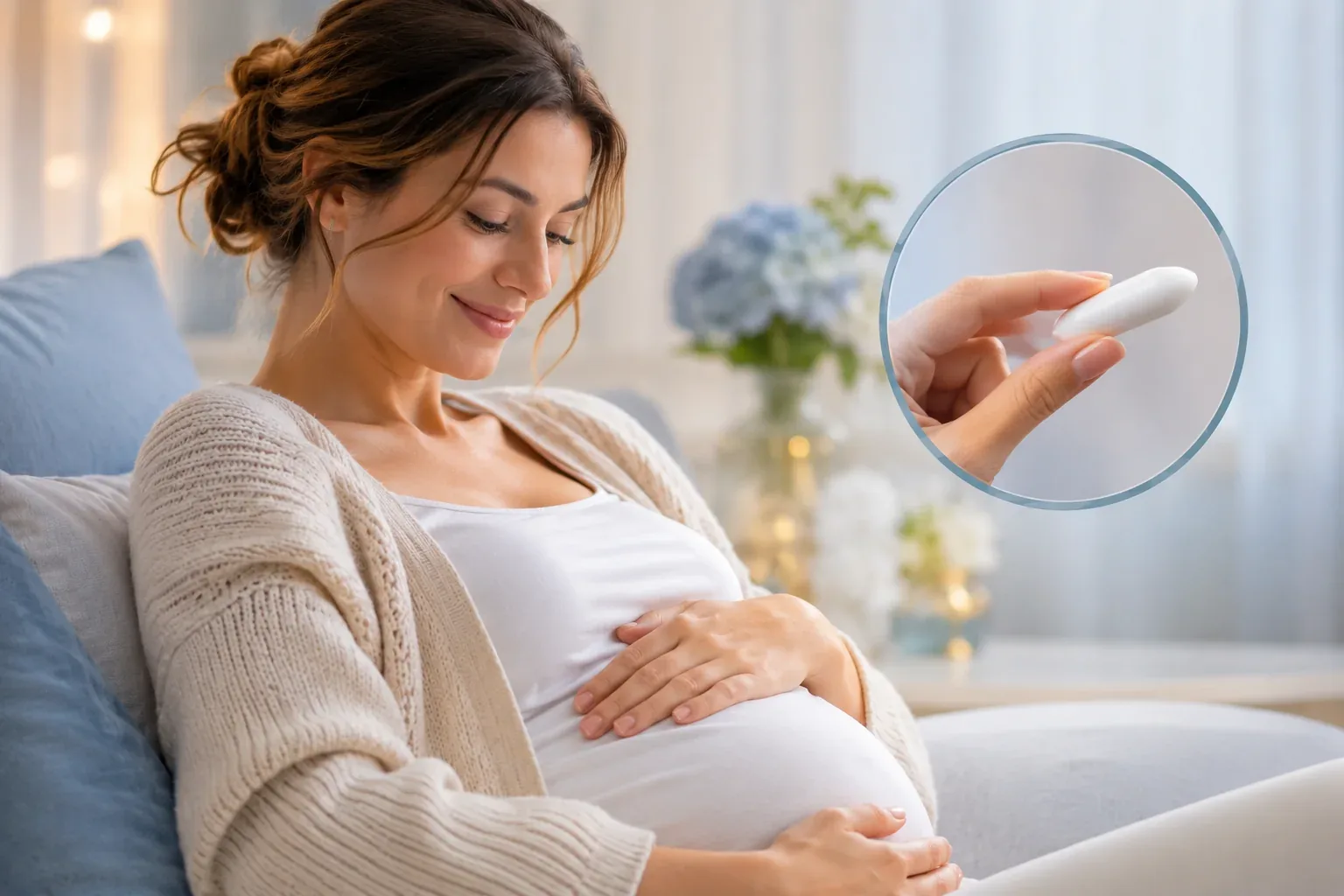
Progesterone

Can Low Progesterone Cause Miscarriage?

Understand progesterone’s role in pregnancy and what your options really mean.
If you have experienced a miscarriage, or you are worried about one, you deserve clear answers. Progesterone is essential for a healthy pregnancy. But a low level does not always mean progesterone caused a loss. Understanding the difference helps you make informed decisions.

Why Is Progesterone Essential for a Healthy Pregnancy?

After ovulation, progesterone transforms the uterine lining into a receptive environment for implantation. In early pregnancy, it helps maintain that lining while the placenta develops. It also supports uterine stability and participates in the immune changes that allow pregnancy to progress. These are fundamental biological roles, not optional extras.

Can Low Progesterone Increase Miscarriage Risk?

Yes, inadequate progesterone support can be a concern in early pregnancy. However, progesterone can also fall because a pregnancy is not developing normally. Chromosomal abnormalities and other factors cause many miscarriages. A progesterone result alone cannot identify the cause.

What Signs Should Prompt an Evaluation?

Spotting, bleeding, or cramping deserves attention, but none proves progesterone deficiency. Before pregnancy, irregular ovulation or difficulty conceiving may justify reviewing hormone patterns. In early pregnancy, a qualified pregnancy-care professional may use ultrasound, serial hCG results, medical history, and appropriately timed tests to understand what is happening.
Seek urgent evaluation for heavy bleeding, severe or one-sided pain, fainting, or shoulder pain. These can signal complications that need immediate care.


Can Progesterone Treatment Help Prevent Miscarriage?

For some women, yes. Research on vaginal micronized progesterone suggests benefit in certain women who have early pregnancy bleeding and a history of miscarriage. Results are not the same for everyone. Importantly, these studies tested vaginal progesterone, not skin-applied creams, so their pregnancy outcomes cannot be attributed to topical cream.

What Makes Bioidentical Progesterone Different?

Bioidentical progesterone has the same molecular structure as the progesterone your body produces. Synthetic progestins are different compounds and may act differently. Formulation and delivery route also matter, so products should be compared by their actual ingredients, dose, and evidence.

Why Are Women Interested in Topical Progesterone Cream?

A properly formulated topical cream offers a nonoral way to apply bioidentical progesterone. Skin delivery avoids the initial liver metabolism that occurs after swallowing progesterone, and a clearly labeled cream can make the amount applied easy to understand. Absorption varies with formulation and skin conditions, however, and topical creams have not been proven to prevent miscarriage.

How Can You Make an Informed Choice?

Start with three essentials: understand what progesterone does, investigate the cause of your symptoms or pregnancy concerns, and compare products by their formulation and supporting evidence. If you are pregnant, bleeding, or have experienced repeated losses, discuss progesterone treatment with your pregnancy-care professional rather than relying on an over-the-counter cream as a substitute for evaluation.

Ready to Explore Serenity Organics Progesterone Cream?

Now that you understand progesterone’s vital roles and why delivery methods matter, take a closer look at Serenity Organics. Explore the bioidentical progesterone formulation, ingredient information, and clearly stated progesterone content to decide whether it belongs in your broader wellness conversation.