- New
- Oral Progesterone ~ Before You Decide...
- Estrogen & Progesterone Influence Breasts, Ovaries
- Progesterone & The P53 Gene
- Progesterone & Pregnancy
- Listen to the Experts...
- Progesterone – How Much is Safe & Effective?
- Osteoporosis
- Hormone Therapy (HRT) for Menopause
- Hair Loss: 21 Ways to Keep Your Hair
- Progesterone Cream Side Effects – The Underlying Cause & What to Do About It…
- Optimal Support for Progesterone Cream – 7 Pillars of Health
- Tested & Approved Products
- Research
- What is Perimenopause?
- Spike Protein Detoxification
- Progesterone - Men Health
- Answers...
- Relief
- FAQ
- Products
- Life Support
Endocrine Disrupting
Chemicals (EDCs)
The Hidden Hormone Disruptors in Everyday Life
Endocrine disrupting chemicals, called EDCs, are substances that interfere with hormone signaling. They come primarily from fragrances, laundry products, plastics used with food, personal care products, and indoor household chemicals. These exposures are typically low dose but continuous, and they disproportionately affect progesterone balance in women.
What Are Endocrine Disrupting Chemicals (EDCs)?
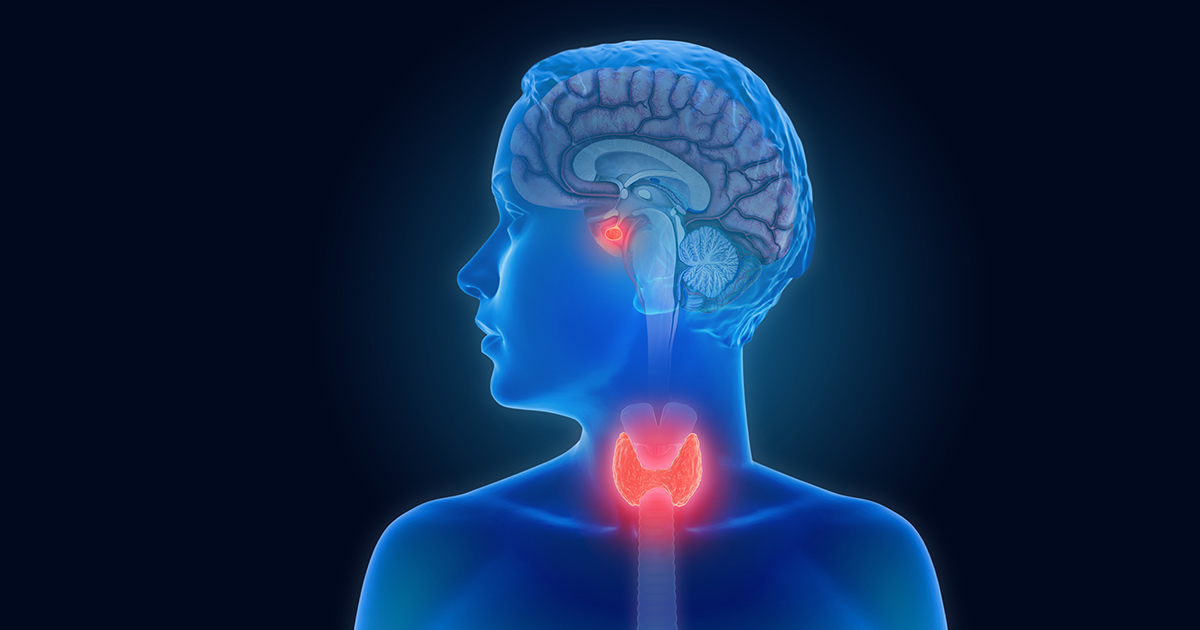
Endocrine disrupting chemicals are compounds that interfere with the endocrine system, the body’s hormone communication network.
They may:
- Mimic estrogen
- Block progesterone receptors
- Alter hormone metabolism in the liver
- Change how hormones are transported and cleared
- Shift the estrogen to progesterone ratio
EDCs do not need to be present in large amounts to cause disruption. Repeated low level exposure is sufficient to alter hormonal signaling.
Why Are EDCs Especially Important for Women?
Progesterone plays a protective and regulatory role in the female body.
Progesterone:
- Balances estrogen
- Calms the nervous system
- Supports sleep and mood
- Protects breast and uterine tissue
- Is essential for fertility and pregnancy
Many EDCs act as estrogen mimics. When estrogenic signals increase while progesterone signaling is blocked or weakened, women experience symptoms even when lab values appear normal.
This pattern is often described as estrogen dominance, but the root issue is frequently environmental interference.

Where Do Endocrine Disrupting Chemicals Come From?
1. Fragrance and Scented Products
This is the largest single source for most women.
Common sources:
- Perfume and cologne
- Scented lotions
- Hair products
- Deodorants
- Candles and air fresheners
Why this matters:
- Fragrance blends often contain phthalates
- Phthalates absorb easily through the skin
- Daily use creates continuous exposure
If a product lists fragrance or parfum, it may contain endocrine disrupting compounds.
2. Laundry Products
Often overlooked, but extremely impactful.
High exposure items:
- Fabric softeners
- Dryer sheets
- Scent boosters
- Strongly fragranced detergents
These chemicals:
- Bind tightly to clothing fibers
- Remain in contact with skin for hours
- Transfer easily through skin absorption
Clothing worn close to the body, underwear, bras, sleepwear, creates the greatest exposure.
3. Plastics Used With Food
Common sources:
- Plastic food containers
- Plastic wrap
- Plastic water bottles
- Canned food linings
Heat increases chemical migration.
- Microwaving food in plastic
- Pouring hot liquids into plastic
- Dishwasher heat cycles
Many plastics release estrogenic compounds under heat or wear.
4. Personal Care Products
Includes:
- Makeup
- Sunscreens
- Moisturizers
- Hair dyes and sprays
- Nail products
Long wear and water resistant products often contain hormone disrupting compounds to improve durability.
5. Household Cleaning Products and Indoor Air
Sources include:
- Cleaning sprays
- Floor cleaners
- Furniture polish
- Plug in air fresheners
Indoor environments often contain higher chemical concentrations than outdoor air due to limited ventilation.
6. Clothing and Textiles
Higher concern fabrics:
- Polyester
- Nylon
- Acrylic
- Synthetic athletic wear
Lower concern fabrics:
- Cotton
- Linen
- Wool
- Modal and other regenerated cellulose fibers
Important note:
Laundry chemicals often contribute more endocrine disruption than the fabric itself.

How Do EDCs Affect Progesterone Function?
EDCs may:
- Increase estrogen receptor activation
- Reduce progesterone receptor sensitivity
- Increase progesterone clearance
- Create symptoms of low progesterone despite normal levels
This helps explain why many women continue to experience:
- Sleep disturbances
- Anxiety
- PMS
- Breast tenderness
- Irregular cycles
- Fertility challenges
Even when laboratory results appear acceptable.

How Can Women Reduce EDC Exposure?
High impact, practical steps:
- Use fragrance free laundry detergent
- Eliminate fabric softeners and dryer sheets
- Store food in glass or stainless steel
- Avoid heating food in plastic
- Reduce daily fragrance exposure
- Ventilate indoor spaces regularly
Perfection is not required. Reducing the overall estrogenic burden allows progesterone to function more effectively.

Why Progesterone Support Matters in a High EDC Environment
In today’s world, complete avoidance of EDCs is unrealistic.
Supporting progesterone:
- Helps buffer estrogenic signals
- Restores hormonal balance
- Protects sensitive tissues
- Supports nervous system stability
This is why progesterone support has become increasingly important in modern life.

Summary
Endocrine disrupting chemicals are a daily reality, not a fringe concern. The most significant sources are fragrances, laundry products, plastics used with food, and personal care products. These exposures interfere with progesterone balance and estrogen regulation. Reducing exposure and supporting progesterone allows the body to return toward equilibrium.